Ask Big Picture
How to Handle Suspected Fake Reviews and More of Your Questions Answered
Plus: A simple daily habit that trains your brain to spot opportunity, and the team exercise that takes the pain out of delegating.

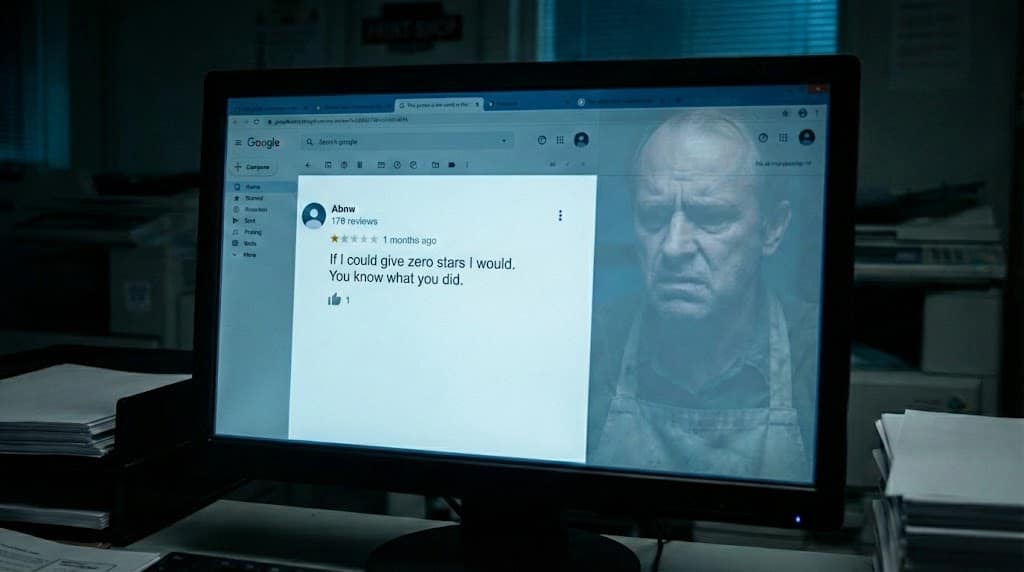 When receiving fake negative reviews, the key thing is to not lash out. IMAGE: GENERATED BY GOOGLE NANO BANANA













Columns5 minutes ago
Living a Life of Trial and Error, Error, Error

Business Growth: Mark Coudray5 minutes ago
The Hidden Danger of Running a ‘Successful’ Business

Ask Big Picture6 minutes ago
How to Handle Suspected Fake Reviews and More of Your Questions Answered

How To4 weeks ago
Does the Wide-Format Printing Industry Have an End-of-Life Disposal Problem?

TIp Sheet3 weeks ago
The Two-Hour Rule, the Pet Frog Close, and 7 More Ways for Print Pros to Work Smarter

TIp Sheet3 weeks ago
Stop the Pep Talks, Start the Stories: 5 More Tips for Wide-Format Print Pros



Bulletins
Get the most important news and business ideas from Big Picture magazine’s news bulletin.
-

 Business Management1 month ago
How Your Business Can Earn Profits With ADA Signage
-
 How To4 weeks ago
Does the Wide-Format Printing Industry Have an End-of-Life Disposal Problem?
-
 TIp Sheet3 weeks ago
The Two-Hour Rule, the Pet Frog Close, and 7 More Ways for Print Pros to Work Smarter
-
 TIp Sheet3 weeks ago
Stop the Pep Talks, Start the Stories: 5 More Tips for Wide-Format Print Pros
-

 Sales Strategies: Kevin Baumgart2 weeks ago
5 Simple Ways to Add Value (and Revenue) to Every Order
-

 Case Studies6 days ago
Wrap Challenges: How 4 Print Pros Tackled Their Toughest Projects
-

 Headlines2 months ago
Signelements.com Relaunches With Expanded Graphic Asset Library
-

 True Tales6 days ago
When Even the Artist Can’t Tell the Difference