Aqueous Wide-Format Printing Trends 2025: Specialty Media and Workflow Innovation
Discover how specialty media, advanced software, and future-proof hardware are reshaping the aqueous wide-format print market.

WIDE-FORMAT PRINTING stands out in the economy for its versatility, encompassing a variety of market verticals and ink types. This results in many outcomes and profit opportunities for knowledgeable print shop owners. This adaptability supports opportunities for tremendous growth and business expansion. Expected to grow into a $28 Million market by 2031, with a CAGR (compound annual growth rate) of 6.1%, the wide-format printing industry is offering new technology that is shaping how print providers and artists approach their craft.
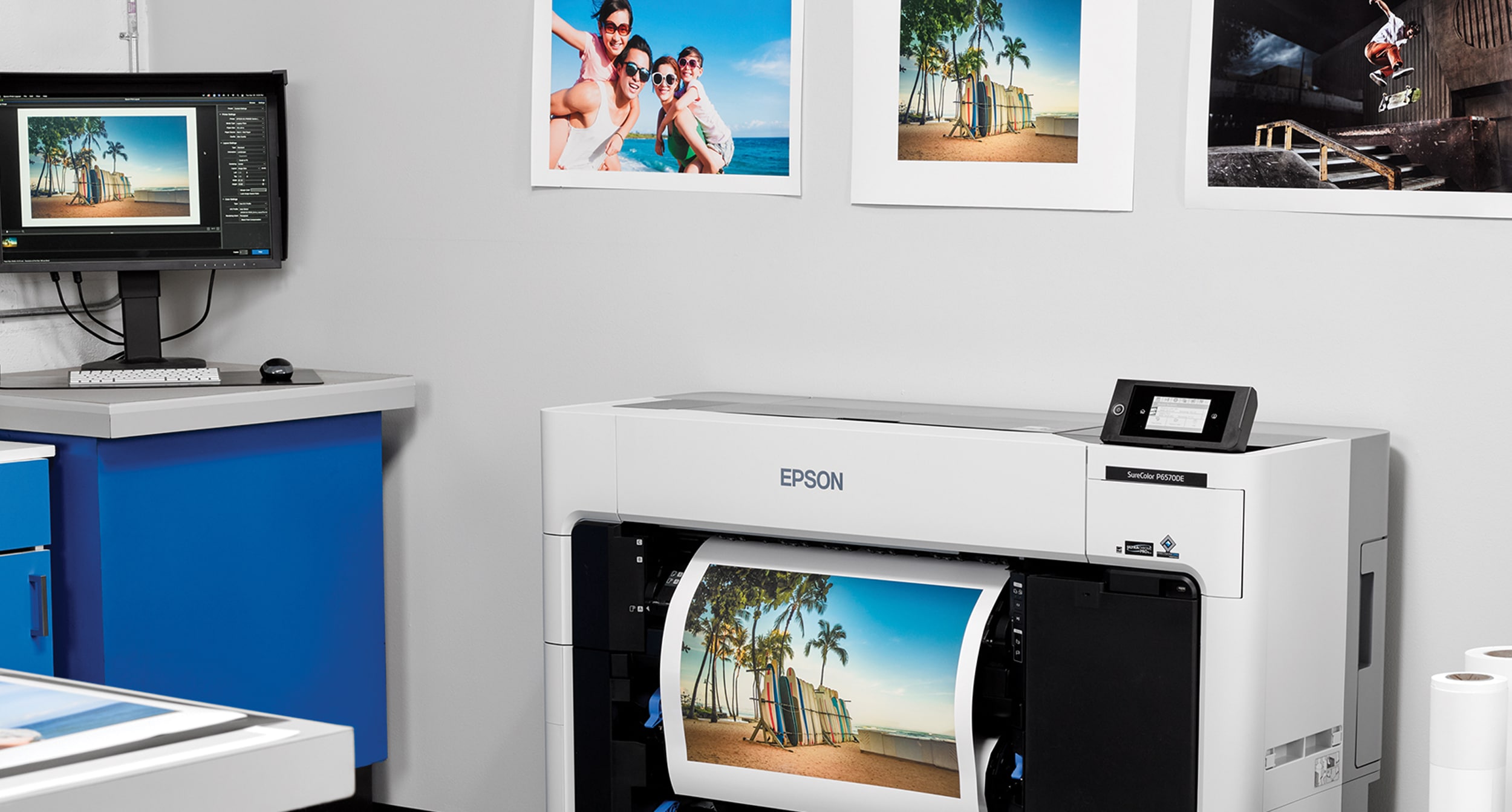
There are many aqueous printer benefits and advancements for print shops, including their increasingly compact size. This is ideal for space-constrained environments, wide range of media compatibility, and impressive print speeds. Couple these with the benefits that aqueous ink provides, and they are ideal for a range of applications including photography, wide-format graphic, signage, and more.
2025 will offer an opportunity for aqueous print providers to capitalize on a growing interest from artists and customers — specialty media. By embracing this trend, businesses can expand their offerings and drive growth.

Aqueous wide-format printers have many features that enable production printers to easily switch from creating a high-quality canvas photo reprint to impressive window coverings, saving time and resources.
A Rising Demand for Specialty Media
The market for specialty media is expanding rapidly, capturing the attention of print providers and artists alike. Due to their distinctive characteristics, options like Washi, bamboo, and thick fine art media are becoming increasingly popular for aqueous print printers.
Specialty media distinguishes itself with unique textures and visual appeal, offering a tactile experience that enhances artistic and commercial applications. They also serve as a compelling alternative to traditional materials, catering to those seeking differentiation in a saturated market. These media can take a print project from basic to extraordinary, bringing out vibrant colors and transforming it into a visually striking and impactful print. They also provide an opportunity for print providers to diversify applications and potentially increase revenue.
When looking into specialty media, aqueous print providers should experiment and test new media to determine the features of each, identify projects that would benefit from its use, and understand its compatibility with the printer. Additionally, if the workflow demands printing on thicker fine art media, it’s critical to source printing solutions and the appropriate software settings to accommodate thicker specialty papers.
Whether creating one-of-a-kind art pieces or delivering standout promotional materials, specialty media is poised to be valuable in 2025 for those aiming to elevate print offerings.
Advertisement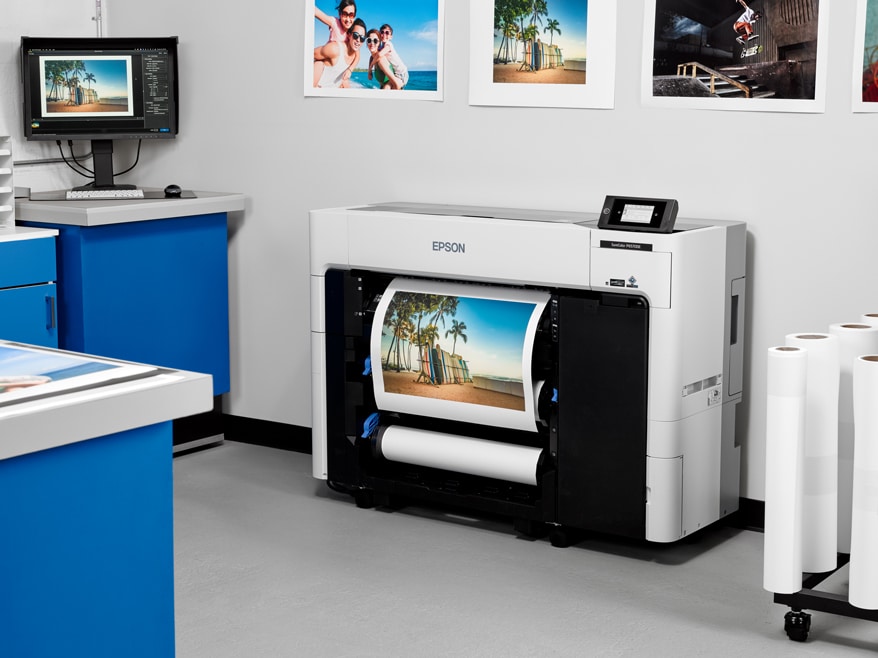
Specialty media can take a print project from basic to extraordinary, bringing out vibrant colors and transforming it into a visually striking and impactful print.
Software Workflows
Printing to a variety of specialty media can be intimidating because it requires a print shop to change and manage both software and printer mechanical settings based on the media selected. As well as become familiar with loading and unloading media with different weights and thicknesses. The growing use of specialty media brings an increasing demand for more sophisticated software solutions to streamline the printing process. Many printer manufacturers offer software to support specialty media printing, or third-party applications also are available to facilitate media expansion.
While there is a range of wide-format printers on the market, print providers should look for an aqueous printer that supports a variety of media and is compatible with various workflow software. Software should be used as a tool that provides print shops with advanced control over the printer’s mechanical parameters, specifically tailored to accommodate specialty media, as well as the ability to track jobs and print costs related to those specialty media.
Additionally, to support growth in 2025, print providers can leverage software offerings that simplify the process of managing these unique materials, enabling users to optimize media settings for maximum print quality. In addition to workflow software, cloud-based solutions can help determine the costs and variables in printing before and after a final print is created. This makes for better managing workflows and efficiency. These solutions provide the ability to manage uptime, utilization, output production rates, and printer status. Also, errors can be monitored whether the PSP is on-site or watching from afar.
By streamlining workflows through appropriate software solutions, print providers can reduce waste and save valuable time, which is crucial advantage in today’s fast-paced printing environment.

The growing use of specialty media brings an increasing demand for more sophisticated software solutions to streamline the printing process.
Future-Proofing Hardware
As the industry grows more diverse, print providers are investing in hardware that can keep up with evolving demands. Future-proofing equipment is essential to staying competitive, and choosing solutions with broad media support is a critical factor for growth.
When considering aqueous printer options, look at the recent advancements in wide-format printers that highlight a strong focus on compatibility with a broad range of photographic and specialty media. Many of these printers also include dual-roll media systems for less touch points and seamless switching from one media type to another, as well as tools and software offerings that support third-party media integration, providing enhanced versatility and flexibility for users. These features enable production printers to easily switch from creating a high-quality canvas photo reprint to an indoor banner, saving time and resources.
In addition to media compatibility, other future-proofing features to watch for include advanced ink sets such as 12-color configurations for expanded color gamuts, and fast print speeds. These additional capabilities are helpful when seeking to produce high-quality prints with efficiency and precision.

Aqueous printer have many benefits and advancements for print shops, including their increasingly compact size.
Innovating Today for a More Competitive Tomorrow
The future of aqueous wide-format printing lies in embracing innovation such as adopting specialty media, leveraging advanced software and hardware solutions, streamlining workflow efficiencies, and increasing production. Print providers who stay ahead of these trends will be well-positioned to meet the evolving needs of their clients, while driving growth and creativity in their businesses.
Aqueous wide-format printers can support everything from short-term signage to graphics applications, providing a comprehensive solution to tackle emerging challenges. Finding the right technology can ensure you’re ready for what’s next in the world of wide-format printing.
Advertisement












How to Turn Small Orders Into Big Office Branding Projects

The Big Ink Tank Drives Up Capacity and Confidence With Anapurna Ciervo H3200 From Agfa

Roland DGA Announces Launch of New UV DTF System with Enhanced Media



Bulletins
Get the most important news and business ideas from Big Picture magazine's news bulletin.
-

 Special Reports + Analysis2 months ago
Does the Wide-Format Printing Industry Have an End-of-Life Disposal Problem?
-

 Business Growth: Mark Coudray4 weeks ago
The Hidden Danger of Running a ‘Successful’ Business
-

 TIp Sheet1 month ago
The Two-Hour Rule, the Pet Frog Close, and 7 More Ways for Print Pros to Work Smarter
-

 Sales Strategies: Kevin Baumgart1 month ago
5 Simple Ways to Add Value (and Revenue) to Every Order
-

 TIp Sheet1 month ago
Stop the Pep Talks, Start the Stories: 5 More Tips for Wide-Format Print Pros
-

 Case Studies1 month ago
Wrap Challenges: How 4 Print Pros Tackled Their Toughest Projects
-
 Tips and How To3 weeks ago
Fleet Sizes Are Up. So Are Client Expectations. Here’s How One Shop Owner Keeps Pace.
-

 Press Releases1 month ago
Epson to Debut New Textile Solution at Impressions Expo Long Beach 2026